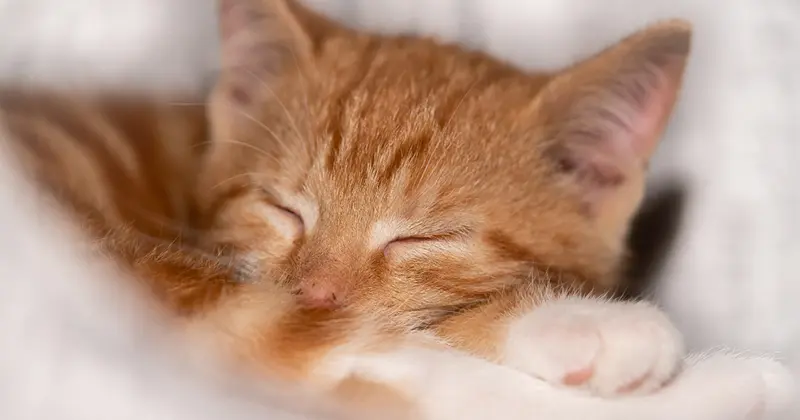
Why do cats sleep so much? Because they are predators built for short bursts of hunting energy, and sleep is how they save it. Most adult cats sleep about 12 to 16 hours a day, kittens and seniors sleep even more, and a cat that is awake at dawn and dusk is simply following its wiring. Use the free cat sleep calculator below to see what is normal for your cat.
12–16 Hours
Typical daily sleep for a healthy adult cat
16–20 Hours
Common for kittens while they grow
14–18 Hours
Typical for senior cats
Crepuscular
Most active at dawn and dusk, not all day or all night
Mostly Light
Much of cat sleep is light dozing, ready to spring awake
Sudden Change
A big shift from your cat’s normal matters more than any average
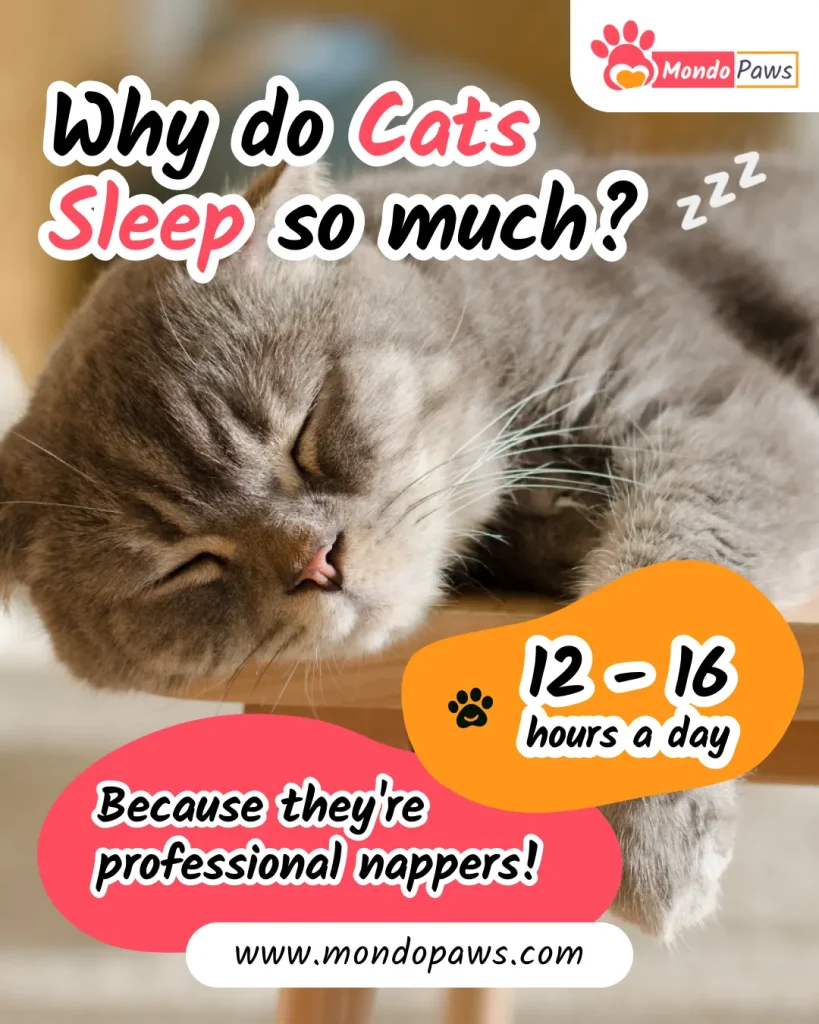
Quick answer: Cats sleep 12 to 16 hours a day because they are ambush predators that save energy for short bursts of hunting, and they are naturally most active at dawn and dusk. Kittens and seniors sleep more. If your cat suddenly sleeps much more, hides, or stops eating normally, talk to your vet.
Every cat is different, so skip the averages and try the tools on this page: a cat sleep calculator, a 24-hour activity clock, a reason finder that explains your cat’s habits, and a sleeping position decoder. If you also share your home with a dog, compare with our dog sleep calculator.
Free Cat Sleep Calculator: How Many Hours Should Your Cat Sleep?
Enter your cat’s age and how many hours they really sleep. The calculator shows a typical range, a deep versus light sleep breakdown, a 24-hour bar, and how many years of your cat’s life have been spent asleep.
😺 Cat Sleep Calculator
Typical range, sleep breakdown, and a lifetime sleep fact for your cat.
Why Do Cats Sleep So Much? The 6 Real Reasons
Cat sleep is not laziness. It is a built-in strategy shaped by what cats are: small, high-energy ambush predators. Here are the main reasons, and what you can change.
| Reason | What Is Going On | Can You Change It? |
|---|---|---|
| 1. Predator Energy Saving | Hunting means short, explosive effort. Rest between bursts conserves energy. | No, it is instinct. Play sessions let cats use it. |
| 2. Crepuscular Rhythm | Cats are naturally most active around dawn and dusk, when prey is active. | Partly: shift play and meals to evening. |
| 3. Light, Ready-to-Spring Sleep | Much of a cat’s rest is light dozing, so they can wake and pounce quickly. | No. It is why they nap so often. |
| 4. Age | Kittens grow during sleep. Seniors tire sooner and need more rest. | Support comfort with warm, soft beds. |
| 5. Boredom and Environment | Indoor cats with little stimulation nap out of boredom. Cold or rainy days add to it. | Yes: play, perches, puzzle feeders. |
| 6. Health | Pain, kidney disease, thyroid problems, diabetes, and infection can raise sleep time. | Yes, with a vet diagnosis and treatment. |
Cat 24-Hour Activity Clock: When Is Your Cat Awake?
Cats are crepuscular, so activity rises at dawn and dusk. Tap any hour to see what your cat is most likely doing, and switch profiles to compare. The bars are an illustrative pattern, not a measurement of your cat.
🕓 Cat Activity Clock
Why Is My Cat Sleeping So Much? Reason Finder
Tick everything that fits your cat. The tool ranks the most likely explanations and tells you whether a vet visit is wise. It is a guide, not a diagnosis.
🔎 Cat Sleep Reason Finder
How Much Sleep Does a Cat Need? (By Age)
Published figures vary because cat sleep is hard to measure and owners count it differently. The ranges below are the ones used in our calculator, and they are meant as a guide rather than a rule.
| Life Stage | Typical Sleep per 24 Hours | What to Expect |
|---|---|---|
| Kitten, under 3 months | 18–20 hours | Short play bursts, then deep naps. Growth happens during sleep. |
| Kitten, 3–6 months | 16–18 hours | Longer awake windows and plenty of pouncing. |
| Junior, 6–12 months | 14–16 hours | Teenage energy, moving toward an adult pattern. |
| Adult (1–10 years) | 12–16 hours | Many short naps, with peaks of activity at dawn and dusk. |
| Senior (11+ years) | 14–18 hours | More rest, lighter sleep, and a need for easy-access warm beds. |
Curious how cats compare with dogs? Dogs usually sleep about 11 to 14 hours as adults, so cats generally sleep a little more. See the dog sleep calculator for the dog version.
Cat Sleep Cycles, REM, and Dreams
Cats cycle between light sleep, deep sleep, and REM many times a day. Much of their rest is light dozing, which is why a cat can seem to sleep and still react to a rustling treat bag. Deep sleep and REM are the shorter, more restorative stages.
| Stage | What You See | What It Means |
|---|---|---|
| Awake and Alert | Ears swiveling, eyes tracking, tail moving. | Hunting, play, or exploring. |
| Light Dozing | Loaf or curled posture, eyes half closed, ears still twitching. | Rest while staying ready to spring up. |
| Deep Sleep | Relaxed, still, slow steady breathing, hard to rouse. | Physical recovery and growth. |
| REM Sleep | Twitching whiskers, paws, or tail, soft chirps, eye movement under the lids. | Linked with dreaming and memory processing. |
Twitching during REM is normal and brief. If a cat thrashes, cries out, or cannot be woken, mention it to your vet.
Cat Sleeping Positions Decoder: What Does Your Cat’s Pose Mean?
Tap the pose that matches your cat. These are common interpretations, not settled science, so consider room temperature, comfort, and your cat’s usual habits too.
🐈 Sleeping Position Decoder
Is My Cat Sleeping Too Much? When to Call the Vet
Total hours matter less than change and context. Cats hide illness well, so a shift in sleep can be one of the first clues.
| Situation | Often Harmless If | See Your Vet If |
|---|---|---|
| Sleeping a Lot | Eating, grooming, and playing normally; common in cold weather and with boredom. | Over about 20 hours a day, or a sudden jump from normal. |
| Hiding | Short retreats after visitors or loud noises. | Hiding for a day or more, or avoiding food and the litter tray. |
| Drinking and Urinating | Normal for the weather and diet. | Noticeably more water, bigger litter clumps, or weight loss. |
| Night Yowling | Hunger, boredom, or an unmet routine in a young cat. | New in a senior cat, or with confusion or pacing. |
| Breathing in Sleep | Calm, steady breathing. | Open-mouth, fast, or effortful breathing at rest: urgent. |
| Twitching | Brief, during REM. | Violent thrashing or cannot be woken. |
Over 20 Hours a Day
May point to an underlying condition and deserves a vet exam.
Sudden Change
A fast shift in sleep, appetite, or activity matters more than any average.
Labored Breathing
Open-mouth or effortful breathing at rest needs prompt veterinary attention.
How to Help Your Cat Sleep Better (and Stop 4 AM Wake-Ups)
Pick your cat’s main goal below to see the steps that fit.
🛏️ Better Sleep Plan
Frequently Asked Questions
Cats sleep so much because they are predators built for short, intense bursts of hunting energy. Sleeping saves energy between bursts, and cats are most active at dawn and dusk. Most adult cats sleep about 12 to 16 hours a day, and kittens and seniors sleep even more.
Most adult cats sleep about 12 to 16 hours in 24 hours. Kittens often sleep 16 to 20 hours, and senior cats commonly sleep 14 to 18 hours. Lifestyle, weather, boredom, and health all shift the total. Try the cat sleep calculator for your cat’s range.
Often yes. Cats nap in many short bouts through the day. It is usually fine if your cat eats, drinks, grooms, and plays normally when awake. Sleeping much more than usual, hiding, or losing appetite is worth a call to your vet.
Cooler, darker, and quieter days give cats less reason to be active, and warm spots are attractive for conserving body heat. A modest increase in sleep in cold or rainy weather is common and usually harmless.
Cats are crepuscular, which means their natural peaks of activity are around dawn and dusk. A cat that naps all day may have energy left at night. Play and a meal before bed help. New night yowling in an older cat should be checked by a vet.
Cats have REM sleep, the stage linked with dreaming. Twitching whiskers, paws, and tail, soft chirps, and quick eye movements under the lids are normal signs. Brief twitching is nothing to worry about.
See your vet if your cat suddenly sleeps much more, hides, eats or drinks differently, loses weight, struggles to jump, or breathes with effort at rest. Pain, kidney disease, thyroid problems, diabetes, and infection can all show up as extra sleep.
Behind the Research: How We Built This Cat Sleep Calculator & Guide
At Mondo Paws, our mission is to give pet owners clear, careful tools. To create this calculator and guide:
- Used Conservative Ranges: Published cat sleep figures vary. The calculator uses commonly cited ranges (about 12 to 16 hours for adults, with more for kittens and seniors) and flags only the extremes. Results are general estimates, not diagnoses.
- Cross-Referenced General Veterinary and Feline Welfare Guidance: Hours by age, crepuscular activity, sleep stages, and warning signs were checked against widely available veterinary and cat-welfare guidance.
- Illustrative Widgets: The activity clock and sleep breakdown are illustrative patterns, not measurements of an individual cat.
Final Thoughts
So, why do cats sleep so much? Because it is how a small predator stays ready for the hunt. Use the Cat Sleep Calculator for a starting range, the Activity Clock to plan play and meals, and the Reason Finder to understand your cat’s habits. You can also compare with our dog sleep calculator.
Your cat’s own normal is the best benchmark. If sleep changes suddenly, runs past about 20 hours a day, or comes with hiding, thirst, weight change, or effortful breathing, contact your veterinarian rather than waiting to see if it passes.