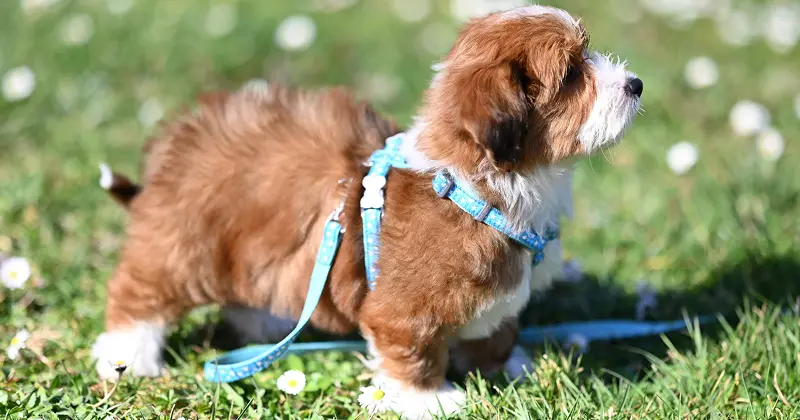
What size harness does your dog need? This free dog harness size calculator turns your dog’s chest girth, neck, and weight into a recommended harness size, strap width, and fit rating, draws a live fit diagram, and adds tools for puppies, breeds, harness styles, a fit test, and a troubleshooter, so you buy the right harness once.
6 Tools
Size calculator, puppy planner, breed finder, style picker, fit test, and troubleshooter
Chest First
Chest girth behind the front legs matters more than weight
Two Fingers
The classic fit check: two fingers should slide under each strap
Middle of the Range
Pick a size that fits your dog near the center of its adjustment
Weekly Puppy Checks
Growing chests outgrow harnesses fast, so recheck often
Guides Only
Brands differ, so always check the maker’s own size chart
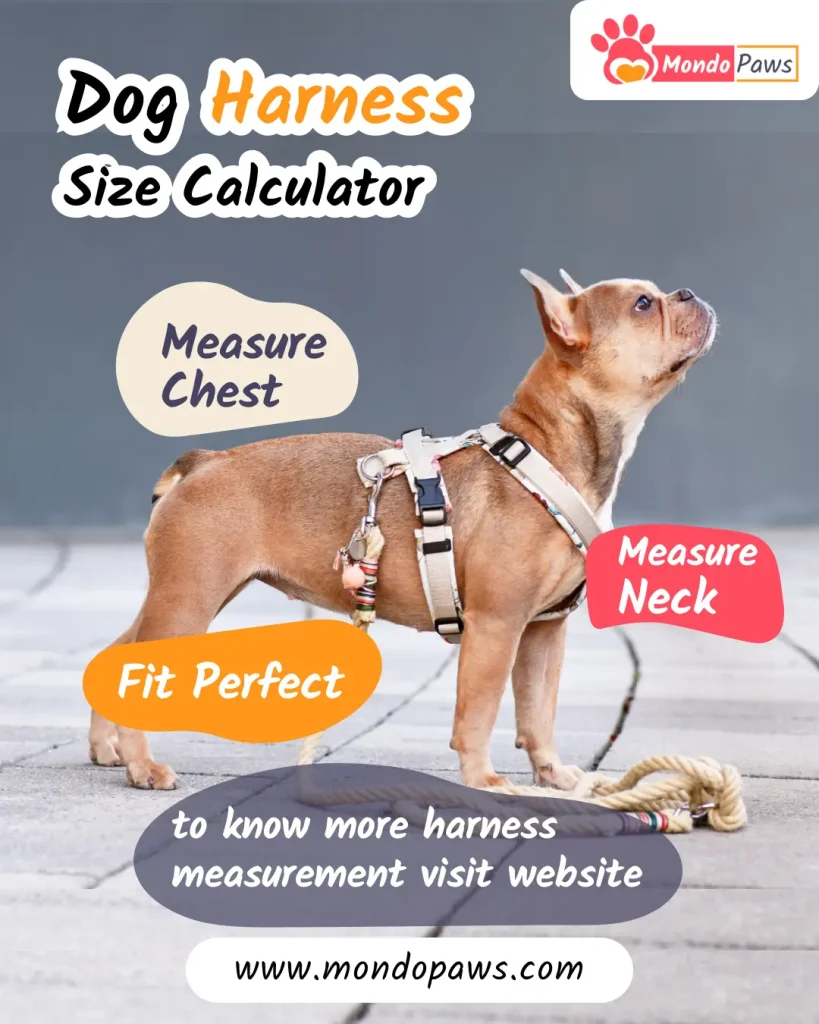
A harness should stay put, spread leash pressure across the chest, and leave your dog free to move its shoulders. Too tight can rub the skin behind the front legs and restrict movement; too loose lets a dog back out and escape. Pair your result with our Dog Collar Size Calculator, Dog Crate Size Calculator, Dog Age Calculator, Dog Weight Calculator, and Dog Exercise Calculator. For general gear and training advice, the American Kennel Club and the ASPCA publish beginner-friendly guides.
Free Dog Harness Size Calculator
Enter your dog’s chest girth, neck, and weight, then choose a harness style and coat type. The calculator finds the size whose adjustable range fits best, lists any other sizes that could also fit, suggests a strap width, and draws your dog wearing the harness so you can see the fit.
Clinical Note: Harness sizes and strap widths are general guides, and manufacturers measure differently. A harness that causes limping, rubbed fur, red skin, or a changed walking gait is the wrong size or style. Ask your veterinarian about your dog if there are shoulder, spine, breathing, or skin concerns.
Puppy Harness Growth Planner
Puppies can outgrow a harness in a few weeks. Choose your puppy’s age and expected adult size, optionally add a measured chest, and see the estimated chest size now, the harness size to buy, and roughly when to upsize.
Harness Size by Breed: Quick Finder
Not sure of your dog's chest size yet? Search a breed to see the usual adult chest and neck range and a matching harness size. Breed averages are a starting point, so measure your own dog and use the calculator above.
Dog Harness Size Chart by Chest, Weight, and Breed
This dog harness size chart lists typical adjustable chest ranges, the neck sizes they suit, typical weights, and example breeds. Use chest girth first and weight second, because a lean Greyhound and a stocky Bulldog can weigh the same with very different chests.
| Size | Chest Range | Neck Range | Typical Weight | Example Breeds |
|---|---|---|---|---|
| XXS | 10–14 in (25–36 cm) | 7–10 in | Under 6 lbs | Teacup Yorkie, tiny Chihuahua |
| XS | 13–18 in (33–46 cm) | 9–13 in | 4–13 lbs | Maltese, Pomeranian, Yorkshire Terrier |
| S | 16–22 in (41–56 cm) | 11–16 in | 10–26 lbs | Shih Tzu, Pug, French Bulldog, Miniature Poodle |
| M | 20–28 in (51–71 cm) | 14–20 in | 22–48 lbs | Beagle, Cocker Spaniel, Border Collie, Corgi |
| L | 26–34 in (66–86 cm) | 18–25 in | 42–80 lbs | Labrador, Golden Retriever, German Shepherd, Boxer |
| XL | 32–42 in (81–107 cm) | 22–30 in | 70–115 lbs | Rottweiler, Bernese Mountain Dog, Great Dane |
| XXL | 38–50 in (97–127 cm) | 26–34 in | Over 100 lbs | Mastiff, Saint Bernard, large Great Dane |
Brands list sizes differently, and padded vests can shrink the usable range. Check our Dog Weight Calculator to see whether your dog is at a healthy weight, since weight change can shift chest size, and our Dog Age Calculator for your dog's life stage. If you also need a neck-only measurement, use the Dog Collar Size Calculator.
How to Measure Your Dog for a Harness
You need a soft tape measure and a treat. It takes about a minute and is far more accurate than guessing from breed or weight.
| Step | What to Do | Tip |
|---|---|---|
| 1. Use a Soft Tape | Use a sewing tape, or string you can lay against a ruler. | A rigid metal tape reads wrong around fur. |
| 2. Measure the Chest | Wrap the tape around the widest part of the ribcage, right behind the front legs. | Keep the tape level and the dog standing square. |
| 3. Measure the Neck | Measure the base of the neck where it meets the shoulders. | This is lower than where a collar sits. |
| 4. Weigh Your Dog | Use a pet or bathroom scale and subtract your own weight. | Use weight only as a double-check. |
| 5. Add Coat Room | Add 1 to 2 inches for very thick or fluffy coats. | Measure over the fur, not pressed through it. |
| 6. Match the Range | Pick the size whose chest range puts your dog near the middle. | Use the calculator above. |
| 7. Test the Fit | Slide two fingers under each strap. | Use the Harness Fit Test below. |
For a puppy that is still growing, ask your veterinarian to estimate adult size. The American Veterinary Medical Association offers general pet-care guidance, and the Merck Veterinary Manual is a trusted reference for anatomy and musculoskeletal health topics.
Which Style of Harness Is Right for Your Dog?
Size is only half the decision. Step-in, vest, Y-front, front-clip, escape-resistant, and crash-tested harnesses suit different dogs and jobs. Pick how you will use it and your dog's body shape.
Harness Fit Test: Is Your Dog's Harness the Right Size?
Already own a harness? Check your dog while wearing it and tick every statement that is true. The test tells you whether it is too tight, too loose, or about right.
Harness Fit Troubleshooter: Fix Common Problems
Pick the problem you are seeing and get the likely cause, a quick fix, and whether to change size or style.
Common Harness Sizing Mistakes and How to Fix Them
Most harness problems come from a few easy-to-avoid errors. The Humane Society of the United States, the American Animal Hospital Association, and Fear Free Pets offer further guidance if you have concerns about equipment or your dog's comfort. For help with leash pulling, the Association of Professional Dog Trainers can point you to a qualified trainer.
| Mistake | Why It Matters | Fix |
|---|---|---|
| Buying by Weight Only | Lean and stocky dogs of the same weight have different chests. | Measure chest girth first, then check weight. |
| Measuring the Collar Spot | The harness neck sits lower than a collar. | Measure the base of the neck near the shoulders. |
| Skipping Thick Coats | Fur hides the true size and compresses over time. | Measure over the fur and add 1 to 2 inches. |
| Ending at the Size's Limit | A dog at the end of the range has no room to adjust. | Choose a size that centers your dog's measurement. |
| Straps Behind the Legs Too Tight | Friction can rub skin and fur under the front legs. | Keep two fingers of room and use padded straps. |
| Not Rechecking Puppies | Chests grow quickly and harnesses become tight in weeks. | Check weekly with the Puppy Harness Planner. |
| Leaving It On in a Crate | Straps and rings can snag on crate bars. | Remove it first. See our Dog Crate Size Calculator. |
| Using a Walking Harness in the Car | Many walking harnesses are not built to restrain a dog in a crash. | Choose a car harness with independent crash-test results, such as those listed by the Center for Pet Safety. |
Weight changes affect fit too. Track it with our Dog Weight Calculator, and keep your dog active with the Dog Exercise Calculator. Talk to your veterinarian if your dog's chest or shoulder area looks swollen or your dog seems sore, since either can signal a health issue.
Frequently Asked Questions
Measure the widest part of your dog's chest just behind the front legs, then measure the base of the neck. Pick the harness size whose adjustable chest range puts your dog near the middle, and use weight only as a double-check. You should be able to slide two fingers flat under every strap.
Choose the size that places the chest measurement closest to the middle of the adjustable range, and favor the larger size for puppies, thick-coated dogs, and styles with a fixed neck opening. Choose the smaller size only if the dog is full grown and the larger harness cannot be tightened enough to stop slipping.
A harness should be snug enough that it cannot rotate far or let your dog back out, yet loose enough to slide two fingers flat under each strap. Straps should not rub behind the front legs, press on the throat, or limit shoulder movement.
Most adult Labradors have a chest girth of about 29 to 36 inches and usually fit a large harness, with an adjustable chest range near 26 to 34 inches, or an extra-large for big males. Measure your own dog because build and coat vary.
Check a young puppy's harness weekly because chests can grow noticeably in a few weeks. Many owners move to every two weeks after about four months and monthly after about eight months. Repeat the two-finger test each time.
A harness spreads leash pressure across the chest instead of the neck, so many vets and trainers suggest one for dogs that pull, flat-faced breeds, small dogs with delicate tracheas, and dogs with neck problems. A flat collar is still useful for ID tags. Ask your veterinarian about your own dog, and size a collar with our Dog Collar Size Calculator.
Behind the Research: How We Built This Dog Harness Size Calculator & Guide
At Mondo Paws, our mission is to give pet owners practical, carefully researched tools. To create this calculator and harness guide:
- Built on the Standard Sizing Rule: The calculator uses the widely taught method of measuring chest girth behind the front legs, measuring the base of the neck, and matching both to common adjustable harness ranges. Results are estimates and brands vary.
- Cross-Referenced Trusted Resources: Gear and pet-care guidance was checked against the American Kennel Club, the American Veterinary Medical Association, the ASPCA, the American Animal Hospital Association, the Merck Veterinary Manual, and the Center for Pet Safety.
- Safety Context: Harness-versus-collar and car-travel advice reflects common veterinary and trainer guidance, and we recommend asking your vet if your dog has neck, spine, shoulder, or breathing concerns.
- Interactive Tools, Not Guesswork: Every widget runs in your browser and uses only the numbers you enter. Nothing is stored or sent anywhere.
Final Thoughts
The right harness is snug but comfortable: it stays put, spares the neck, and leaves room for two fingers under every strap. Use our Dog Harness Size Calculator for the main answer, the puppy planner while your dog grows, the style picker to choose the right design, and the fit test and troubleshooter every few weeks. Keep supporting your dog's overall health with our Dog Collar Size Calculator, Dog Age Calculator, Dog Weight Calculator, Dog Exercise Calculator, and Dog Crate Size Calculator.
Remember to keep an ID tag with your phone number on a flat collar, keep microchip details current, and contact your veterinarian if your dog shows signs of shoulder pain, limping, coughing, or skin irritation.